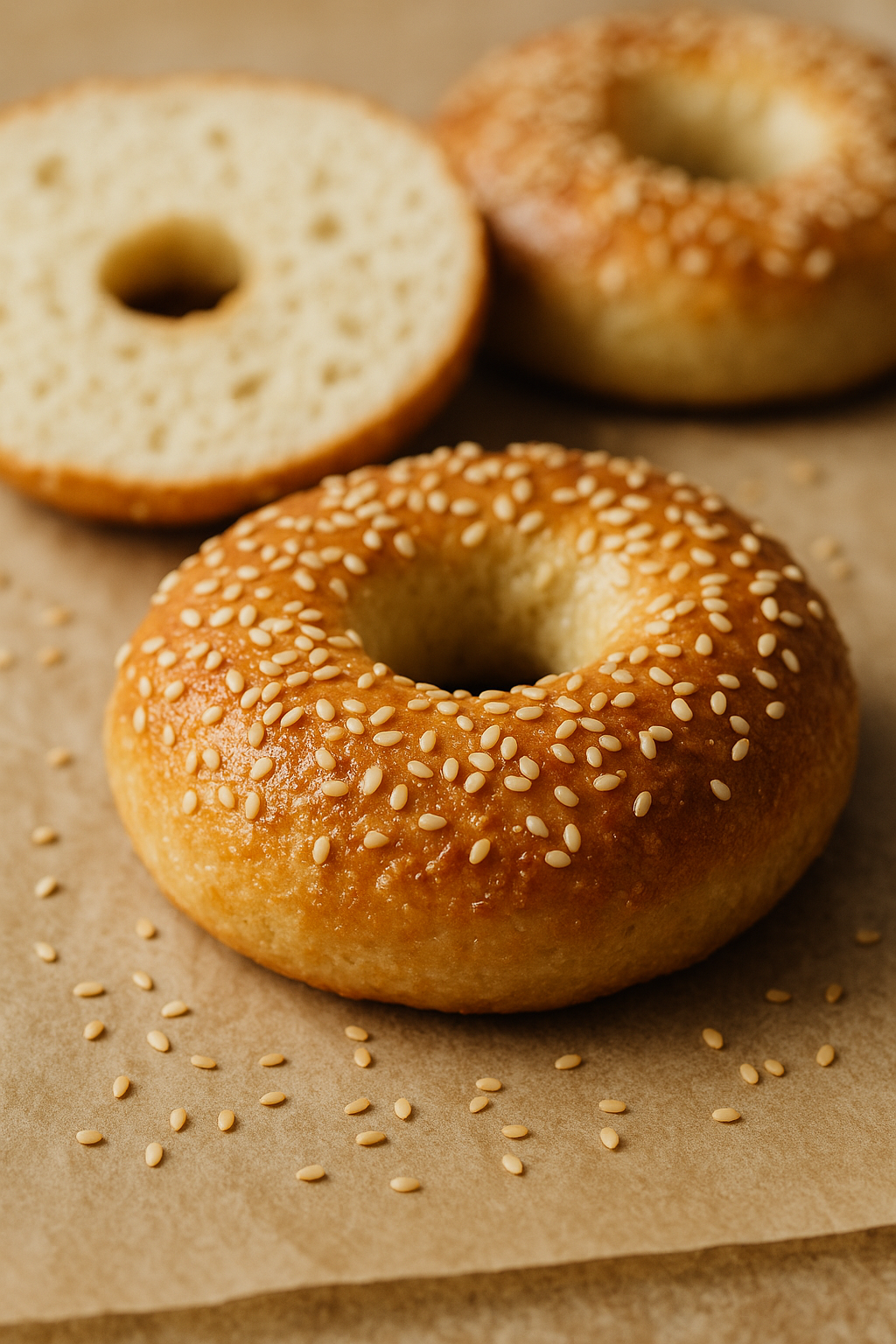
The Heartbreak of the “Bread-Hole” If you’ve lived gluten-free for any amount of time, you know the disappointment of store bought “Gluten Free Bagels.” They usually have the texture of a dry muffin and crumble the moment you try to spread cream cheese on them. I spent years searching for that specific, shiny golden crust and the dense, chewy bite that makes a bagel a bagel.
After countless experiments in my kitchen, I finally stumbled upon a recipe that combined the right blend of flours and moisture. The dough came together beautifully, allowing me to shape it into perfect rings. As they baked, the aroma filled my home, reminiscent of my favorite bagel shop. When I took my first bite, the satisfying chew and crispy crust brought a wave of nostalgia. I knew I had finally created a gluten-free bagel that was worthy of the name.
I almost gave up until I discovered the power of two “secret” ingredients: psyllium husk and a molasses water bath. This recipe is the result of months of testing to ensure you get a bagel that doesn’t just look the part, it acts the part. It’s sturdy enough for a breakfast sandwich, soft enough to chew, and toasts to absolute perfection.
Bakery Style Science at Home You don’t need a professional steam oven to get these results. By using a simple, wholesome flour blend and a quick boil in molasses-infused water, we create that iconic “sheen” and crust that US bakeries are famous for. Whether you’re craving an Everything Gluten Free Bagels with a thick schmear of cream cheese or a simple toasted sesame seed version, this recipe is your ticket back to the breakfast table.
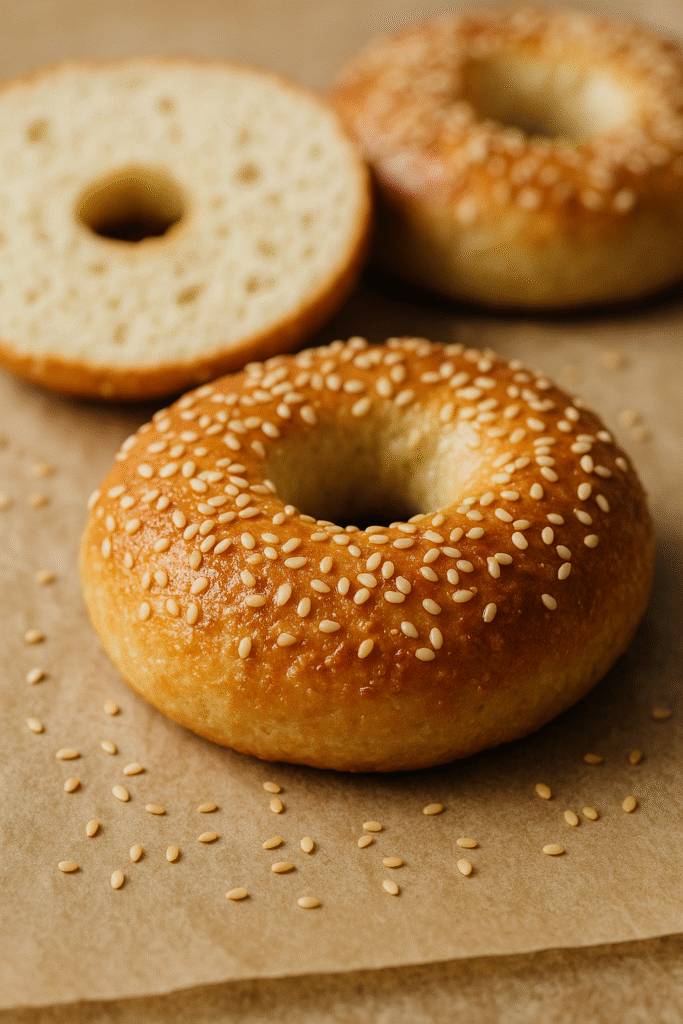
Ingredients You’ll Need For Gluten Free Bagels :
For the dough:
- 30 g (6 tbsp) whole psyllium husk (or 25g psyllium husk powder)
- 540 g (2¼ cups) lukewarm water
- 220 g (1¾ cups + 2½ tbsp) tapioca starch (or cornstarch, potato starch, or arrowroot starch)
- 220 g (1½ cups + 2 tbsp) millet flour (or finely milled brown rice flour)
- 80 g (½ cup + 2 tbsp) sorghum flour (or light buckwheat flour, white teff flour, or oat flour if tolerated)
- 20 g (1½ tbsp) caster/superfine sugar (or granulated sugar)
- 12 g (2 tsp) salt
- 8 g (2½ tsp) instant yeast (or 10 g active dry yeast)
- 20 g (1½ tbsp) olive oil (or neutral oil like sunflower)
For boiling & baking:
- 2–3 tbsp molasses (adds color & flavor to the boiling water)
- 1 large egg (US) / medium egg (UK), whisked (for brushing tops)
- 2–3 tbsp toppings (sesame seeds, poppy seeds, flaky sea salt, or everything bagel seasoning)
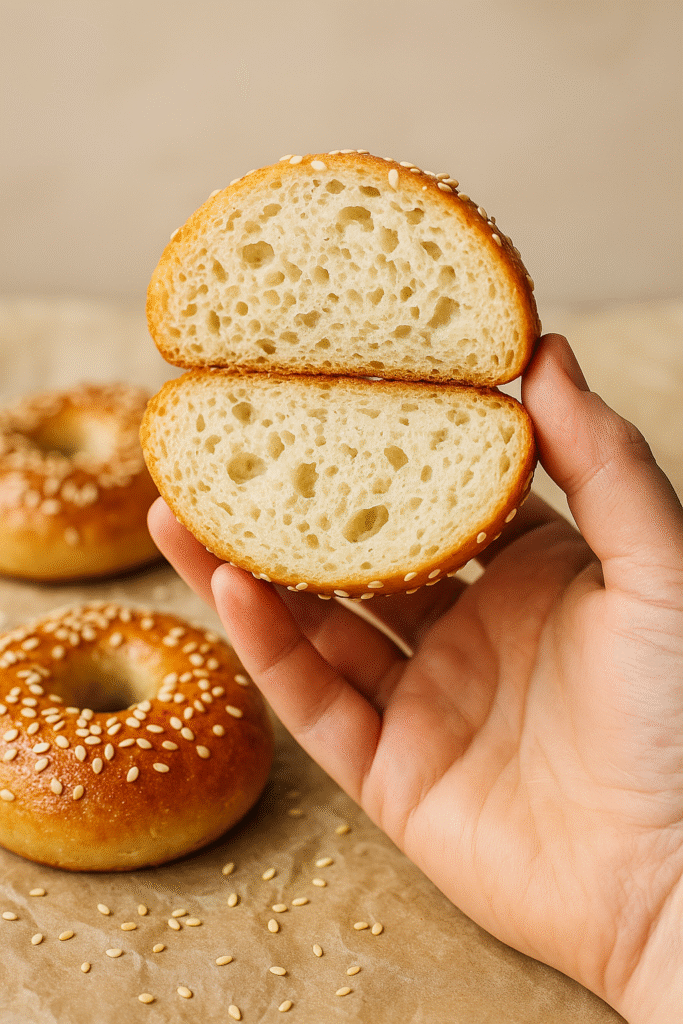
How to Master the “Chewy” Gluten Free Bagels : Step by Step
Step 1: The “Magic” Psyllium Gel
In a large mixing bowl, whisk the psyllium husk into lukewarm water. Let it sit for 2–3 minutes.
- Real Experience Tip: Don’t skip this wait time! You are looking for a thick, jelly-like consistency. This gel is your “Gluten Replacement”—it provides the elasticity and structural “bounce” that makes these bagels chewy rather than crumbly.
Step 2: The “Ancient Grain” Dough
Add your tapioca starch, millet flour, sorghum flour, sugar, salt, and yeast to the gel. Mix well, then add the olive oil.
- The Texture Secret: Knead until the dough is smooth. If it’s too sticky to handle, add a tiny bit more millet flour, but be careful! A slightly sticky dough is actually a good sign—it means your bagels will stay moist inside.
Step 3: Shaping the “Rings”
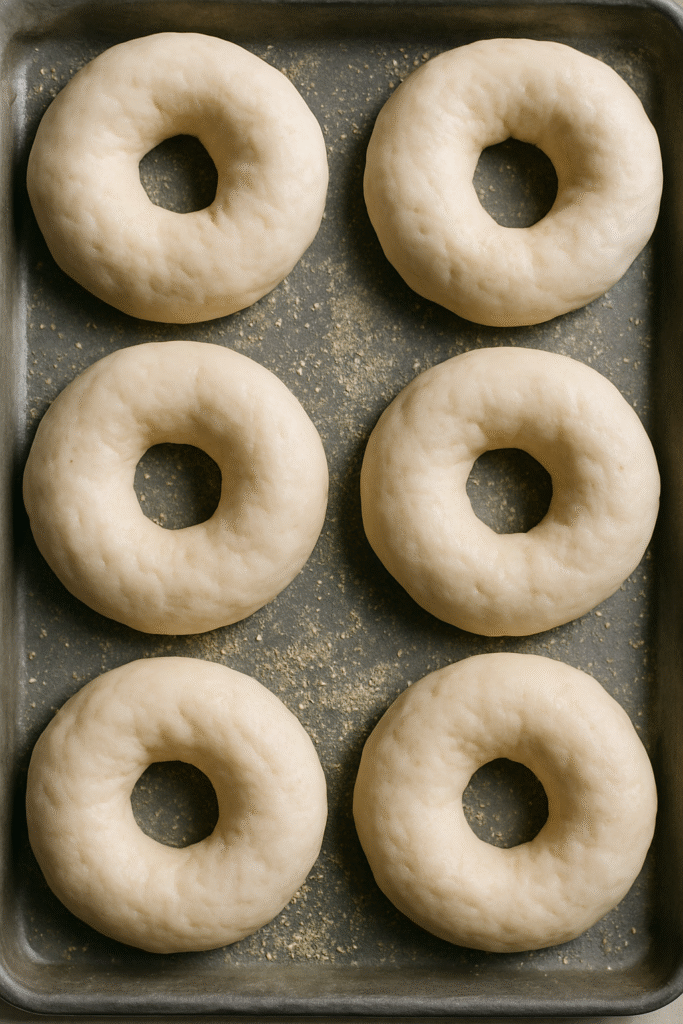
Divide the dough into 8 equal portions. Roll each into a tight ball, then poke a hole in the center with your thumb.
- The “Bagel Stretch”: Gently twirl the dough around your finger to widen the hole. Remember, the dough will puff up during the boil and bake, so make the hole a bit larger than you think you need!
Step 4: The “Signature” Molasses Boil
Bring a large pot of water to a boil and stir in the molasses. Drop the bagels in (2–3 at a time) and boil for 30 seconds per side.
- Why Molasses? This is the secret to that New York Bakery Sheen. The molasses provides a hint of sweetness and helps the crust caramelize into a deep, golden brown in the oven.
Step 5: The “Everything” Finish
Preheat your oven to 425°F (220°C). Brush each boiled bagel with an egg wash and add your favorite toppings.
- Topping Tip: In the USA, Everything Bagel Seasoning is king. But don’t sleep on poppy seeds or coarse sea salt!
- The Bake: Bake for 20–25 minutes. You are looking for a firm, golden-brown crust.
Step 6: The “Patience” Rack
Transfer to a wire rack and cool completely.
The “Cool Down” Rule: If you slice a Gluten Free Bagels while it’s still hot, the steam will make the center feel “gummy.” Letting it cool finishes the “set” of the crumb, giving you that perfect toasted-and-spreadable texture.
The Gluten Free Bagels Masterclass: Tips for a “Better-Than-Bakery” Result
I’ve spent a lot of time in the kitchen trying to replicate the “perfect chew,” and these four tips are what make the difference between a “bread roll with a hole” and a true New York-style bagel.
- The “Non-Negotiable” Boil: If you want that signature shiny crust and the dense, chewy bite that defines a real bagel, do not skip the molasses boil. The boiling process gelatinizes the starches on the surface, which “locks in” the shape and creates that professional sheen you see in high-end bakeries.
- The “Ancient Grain” Flavor Hack: While I love the earthy, “real bread” taste of millet and sorghum, this dough is incredibly flexible. If you don’t have those on hand, you can swap them for brown rice flour (for a milder taste) or buckwheat flour (for a deep, nutty, rustic flavor).
- Pro-Tip: If using buckwheat, your bagels will be darker in color, but the flavor is incredible with savory toppings!
- The Vegan-Friendly Swap: To make these 100% vegan, simply skip the egg wash. Instead, brush the tops with olive oil or a splash of dairy-free milk (like oat or soy) before adding your seasonings. You’ll still get a beautiful golden color and a great “stick” for your seeds.
- The “Everything” & Beyond Toppings: * Savory: You can’t go wrong with Everything Bagel Seasoning (dried garlic, onion, poppy seeds, and salt).
- Sweet: If you’re craving a dessert bagel, skip the savory seeds and sprinkle with cinnamon sugar before baking. It’s like a morning pastry but with that iconic bagel chew!
FAQs
Are bagels gluten free?
Traditional bagels are made with wheat flour, so they’re not gluten free. But this recipe uses gluten free flours and psyllium husk, making them safe and delicious for a gluten free diet.
Do I need xanthan gum?
Nope! The psyllium husk replaces xanthan gum here, giving structure and elasticity to the dough.
Can I freeze gluten free bagels?
Yes! Once cooled, slice in half and freeze in airtight bags. Toast straight from frozen for a quick, fresh Gluten Free Bagels Recipe anytime.
Can I make these dairy free or vegan?
Yes. Use a dairy free yogurt alternative if needed, and replace the egg wash with olive oil or plant based milk.
More Gluten Free Baking Recipes You’ll Love :
Gluten Free Buns | Soft, Fluffy & Ready in 45 Minutes
Gluten Free Biscuits (Easy Recipe with Simple Ingredients)
Gluten Free Carrot Cake (Moist, Classic & Easy)
Easy Gluten Free Bread Recipe (Soft, No Kneading, Beginner Friendly)
If you enjoyed this Gluten Free Bagels Recipe, don’t miss these other easy and delicious gluten free bakes:
Each recipe is 100% gluten free, made with simple ingredients, and guaranteed to impress!
Notes: The Secrets to Gluten Free Bagels Recipe Mastery
1. The “Psyllium” Quality Control
In the USA, you can find psyllium in two forms: husks and powder.
- The Secret: Always try to use Whole Psyllium Husks. If you only have the powder, use about 15% less by weight, or your dough might become too stiff. Also, some brands can turn your bagels slightly purple, don’t worry, it doesn’t change the taste, but for that “classic” look, brands like NOW Foods or Anthony’s are favorites in the GF community.
2. Why the Molasses “Bath” is Non-Negotiable
Most home cooks are tempted to just use plain water, but the molasses is your “secret weapon.”
- Real Experience: The molasses adds a subtle malt-like sweetness that mimics the traditional barley malt used in NYC bakeries. It also creates a “tacky” surface so your Everything Bagel seasoning actually sticks to the bagel instead of falling off the moment you take a bite.
3. The “Starch” Balance
Because we are using ancient grains like millet and sorghum, the Tapioca Starch is what provides the “stretch.”
- The Tech Tip: If you want an even lighter bagel, you can swap half of the tapioca for Potato Starch. This creates a slightly airier “crumb” while keeping that signature chewy exterior.
4. Pre-Slice for the “Ultimate Toast”
Gluten-free bagels are best when toasted, but slicing them fresh out of the freezer can be a struggle.
- The Strategy: Let your bagels cool completely, then slice them all at once before freezing. This way, you aren’t fighting with a frozen “bread brick” at 7 AM. You can pop a pre-sliced half directly into the toaster, and it will develop those perfect, crispy-golden edges every time.
Final Thoughts
There you have it chewy, golden gluten free bagels that taste just like your favorite bakery’s. Perfect for breakfast sandwiches, spreads, or simply toasted with butter.
If you try this recipe, let me know in the comments or tag me on social media I’d love to see your homemade Gluten Free Bagels!